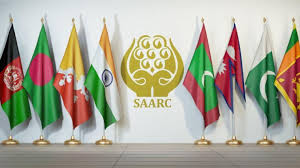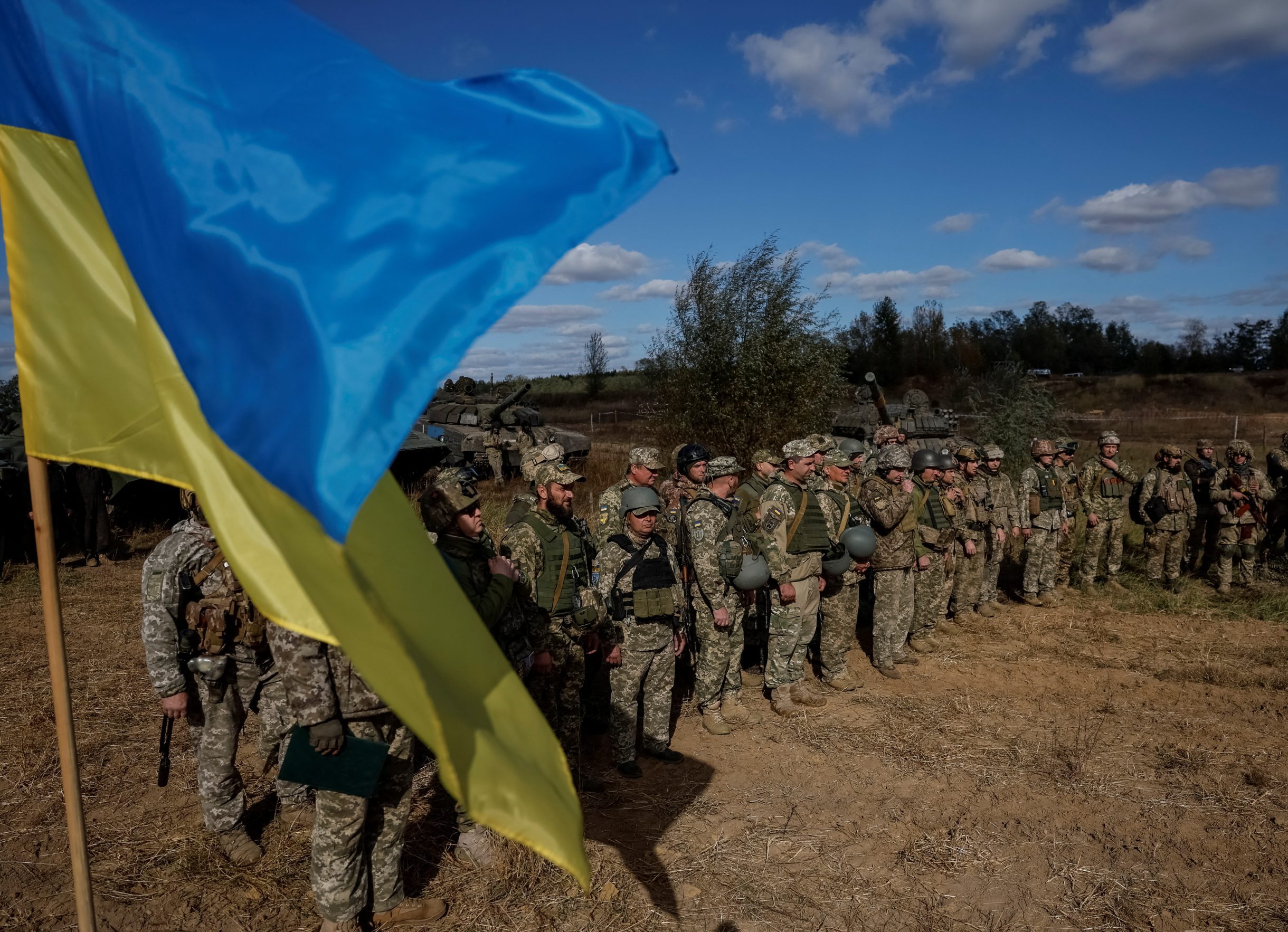
The Russo-Ukraine war that began in February 2022 was not limited to the borders of Europe; its ripples have also rippled across South Asia, thousands of miles away. Despite the geographical distance, South Asian countries—especially Bangladesh, India, Pakistan, and Sri Lanka—have been severely affected by the energy, food, and geopolitics of this era of globalization.
- Energy Crisis and Inflation
Russia is one of the world’s leading exporters of fuel oil and natural gas. Western sanctions on Russia and the collapse of supply chains as a result of the war have caused fuel prices to skyrocket in the international market. South Asian countries, which are dependent on imported fuel, have been squeezed in their foreign exchange reserves. This has disrupted power generation and caused unbearable inflation due to rising transportation costs. - Food Security and Fertilizer Crisis
Ukraine and Russia are called the “bread basket” of the world, as they supply a large portion of the world’s wheat. The supply chain has been disrupted due to the war, which has led to a sharp increase in the prices of flour, flour and edible oil in South Asia. In addition, Russia and Belarus are the main sources of potash fertilizers. The fertilizer crisis has created fears that agricultural production in the region will be disrupted, which is a threat to food security in the long term. - Foreign exchange reserves and economic instability
South Asian countries have had to adopt dollar-saving policies to pay for the high prices of fuel and food. The indirect impact of this war is undeniable behind the economic collapse of Sri Lanka and the extreme economic crisis of Pakistan. In Bangladesh, this global instability has also played a major role in the depreciation of the taka against the dollar and pressure on reserves. - Geopolitical polarization
This war has put South Asian countries in a diplomatic bind. On the one hand, close trade relations with the Western world, and on the other hand, a historical and strategic partnership with Russia—it has become difficult to maintain a balance between the two.
- Impact on Remittances and the Export Sector
As the European Union countries have fallen into economic recession due to the Ukraine war, the purchase orders of the South Asian ready-made garment (RMG) sector have decreased somewhat. In addition, the flow of remittances from expatriates working in Russia and Ukraine has been hampered. Direct trade with Russia is now quite complicated due to the restrictions on banking transactions (SWIFT ban).
India: It has kept its economy afloat by buying cheap oil from Russia, while also maintaining relations with the West.
Bangladesh: Bangladesh has had to take a very cautious diplomatic stance due to Russia’s involvement in mega projects like the Rooppur Nuclear Power Plant.
The Russia-Ukraine war is a ‘wake-up call’ or warning for South Asia. It has proven how risky over-reliance on imported energy and food is. To overcome this crisis, South Asian countries must now focus more on increasing their own renewable energy production and regional trade. The protracted war is further challenging the living standards of the region’s middle and lower classes.